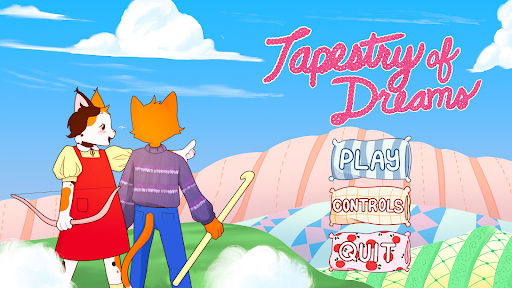
Tapestry Of Dreams
Producer | Programmer | Level Designer
6 Developers | 4 Months | Unreal | 3D Co-Op Action-Adventure
Description:
Tapestry of Dreams was a project completed as apart of an Independent Study at North Carolina State University. The goal of the project was to understand different development pipelines within Unreal Engine 5.3 through the creation of a 3-D Co-Op Action-Adventure Game.
The game includes 3 levels, 3 AI enemy types, Online Co-Op Multiplayer, procedurally generated levels, dynamic audio playback system, and custom character models.
My learning goals for this project were to explore procedural generation and networking within the context of Unreal's pre-established system workflows.
_edited.jpg)
Responsibilities
Facilitated weekly team meetings and provided regular progress updates to stakeholder


Created project timeline in Google Sheets to track team progress on tasks
Documented an Unreal Networking guide for teammate reference


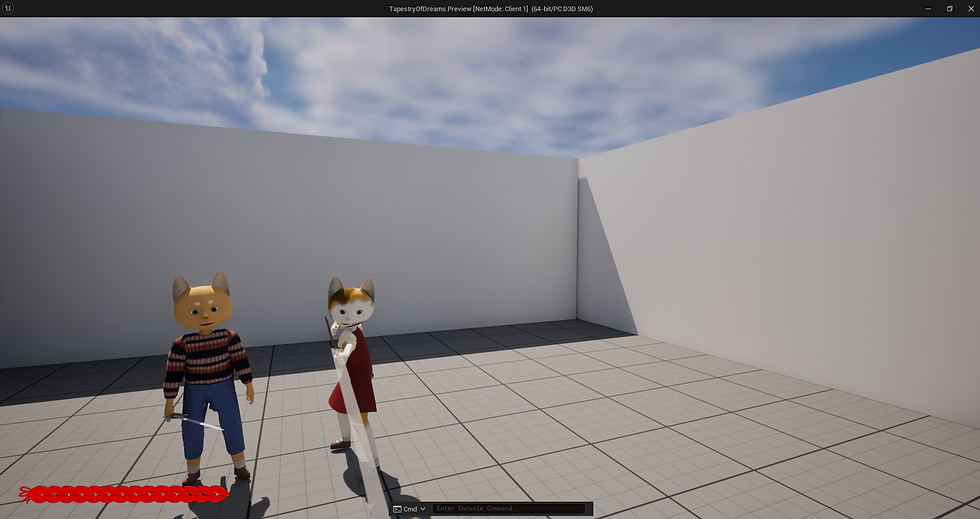
Integrated online Co-Op through Unreal's Networking System
Implemented procedurally generated maze rooms


Key Learnings
-
Prepare to Scope Down: The original concept for Tapestry of Dreams incorporated 5 levels instead of 3 with an emphasis on narrative and puzzles. After a few weeks of development I realized that the project was not on track to meet its initial scope due to various factors such as time constraints and knowledge gaps. To resolve this issue I had a candid conversation with the team explaining the current trajectory of the project and proposed an updated project timeline that would reduce the amount of features in the game but still adhered to everyone's learning goals for the project. My team agreed with my assessment and new plan which allowed for us to complete the project by the deadline.
-
Plan for Networking Early: Networking in a game requires early and thorough planning. I knew that I would have to ensure all major game components are relayed between the server and clients. To help my teammates with integrating networking in their work I created a detailed Unreal networking guide that they could easily reference. As a result we were able to integrate an online multiplayer feature with minimal issues.
-
Integrate Early and Often: There were some merging issues late in development as more components were being added to the game. Core components such as enemy AI and the procedural content generation for level 2 were not working together correctly causing a bit of crunch near the end of the development period. For future projects I plan on establishing merging sessions throughout the development cycle to mitigate late-stage integration issues.